The Challenge & Goal
Flow Neuroscience’s primary goal was to design and implement a digital marketing strategy that would drive significant sales growth in 2023. Historically, their highest sales periods occurred during December, January, and February – months often associated with bad weather, which can exacerbate depression symptoms. Achieving substantial YoY growth, however, came with multiple challenges.
First, many consumers were still sceptical about an at-home, non-pharmaceutical treatment for depression, especially given that many in the target audience -those suffering from severe, chronic depression – had already tried various therapies, heightening their scepticism. Additionally, this group typically sought treatments through doctor consultations, making direct online sales more difficult. While the brand was appreciated by those who had used the device, it had yet to gain widespread recognition. Compounding the challenge, the medtech industry’s strict digital advertising policies often restrict the promotion of medical devices, resulting in frequent ad disapproval.
Our strategy needed to generate awareness, build trust, and drive conversions for a life-changing but unfamiliar product, all while navigating these regulatory hurdles.
Solution
To tackle the challenges, we developed a comprehensive digital strategy to engage potential customers at every stage of their journey – from awareness to conversion. Our approach combined Google, Meta, and Quora ads to reach users searching for solutions, even if they weren’t specifically aware of Flow Neuroscience’s headset.
Through our research, we discovered that only a small number of users were actively searching for solutions similar to what Flow Neuroscience offered, so we decided to expand the targeting to broader queries around depression treatment topics. Alongside broad keyword targeting on Google and influencer-driven content on Meta, we launched Quora Ads to engage with highly involved audiences discussing alternative depression treatments. Quora’s “Promoted Answers” format allowed us to participate in relevant conversations and share educational content that resonated deeply with potential customers.
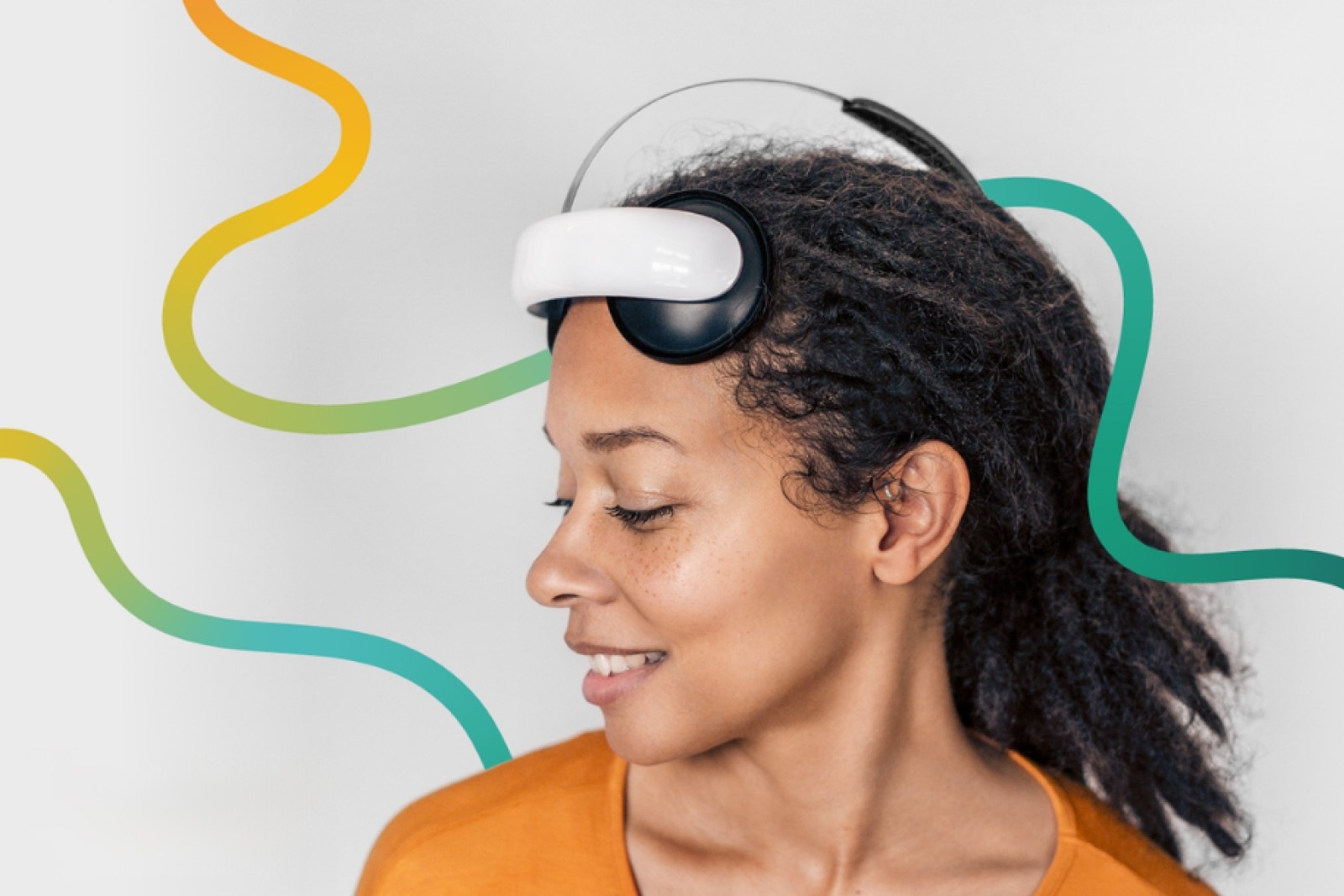
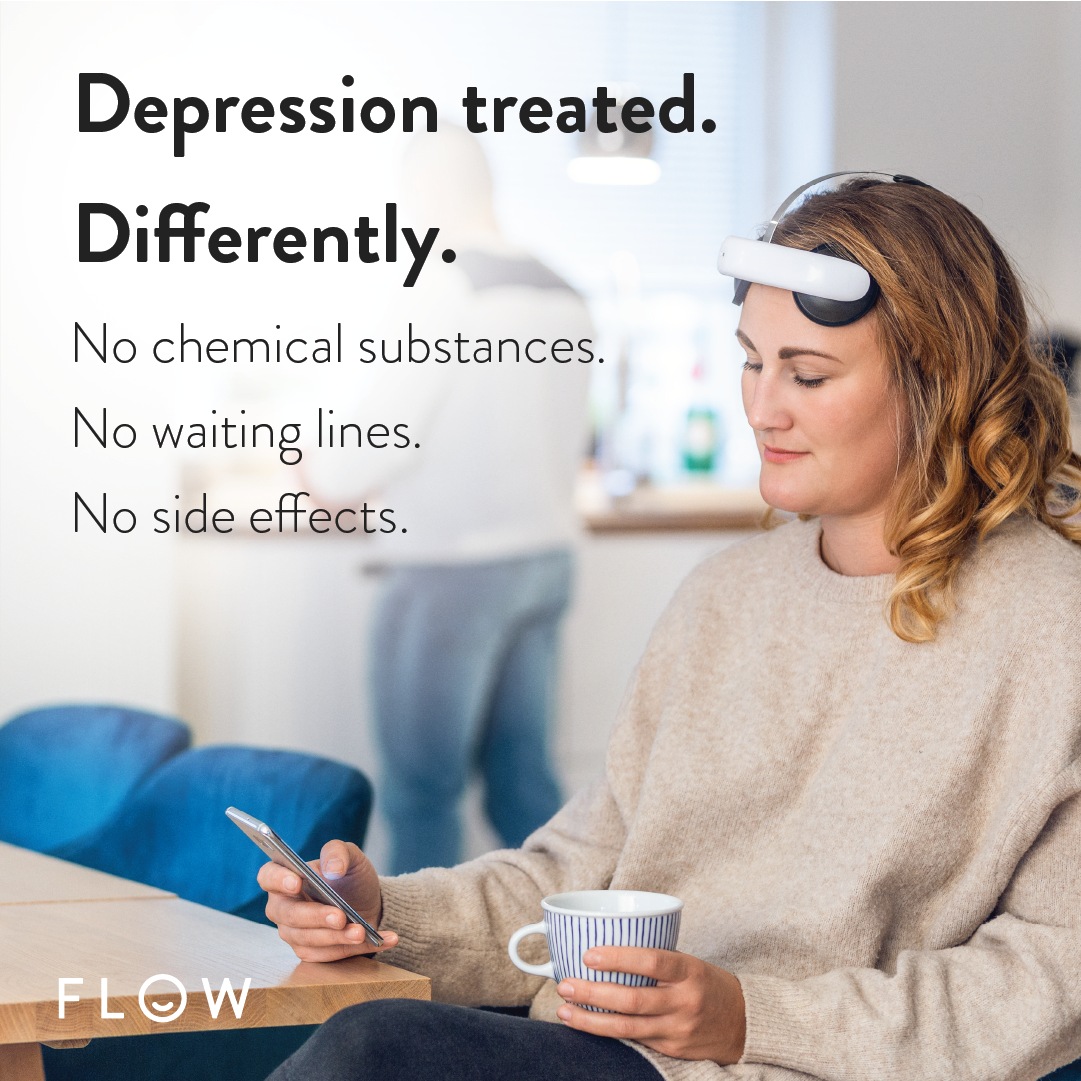
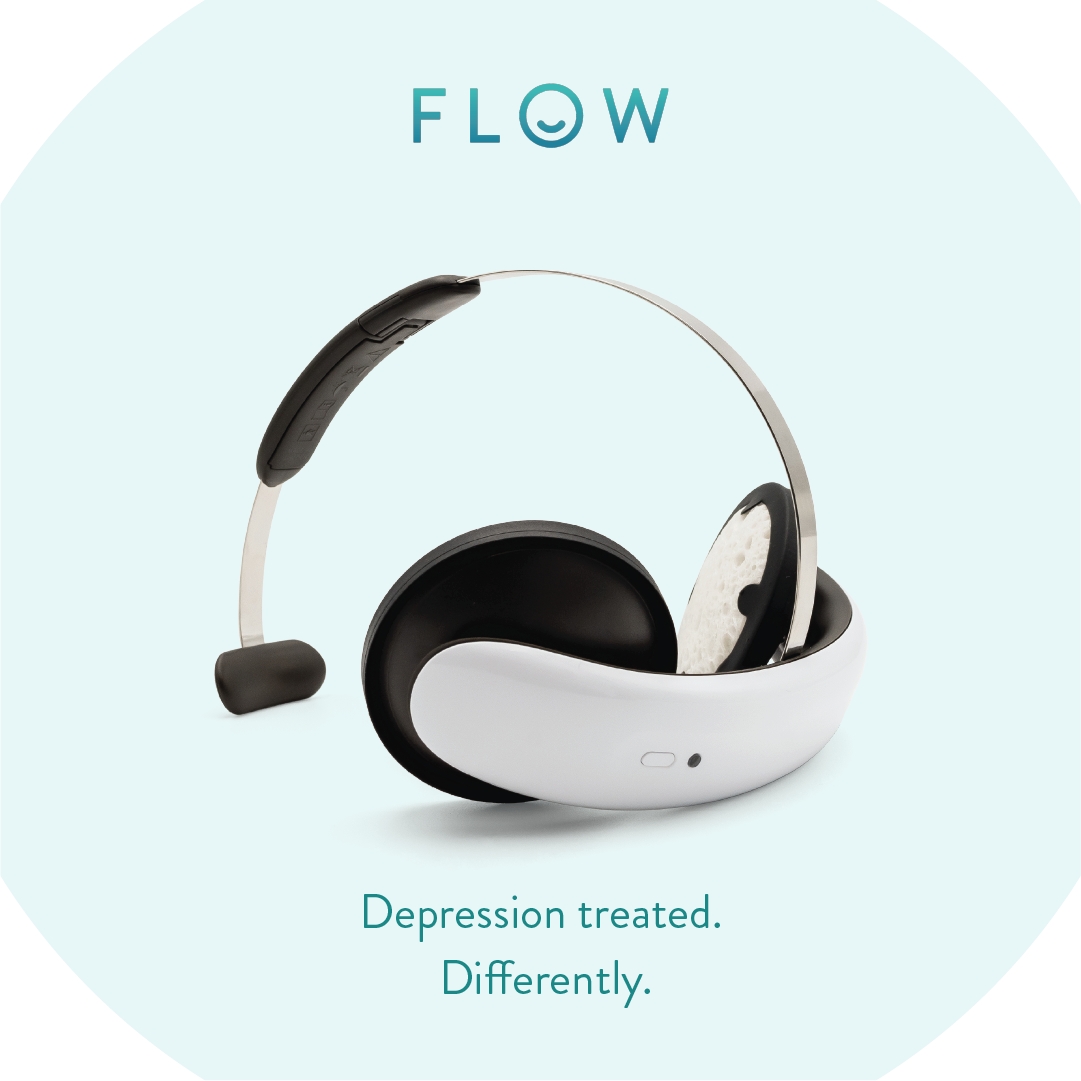
The communication strategy focused on conveying that an alternative approach to treating depression could also be effective. The messaging line, “Different Works,” positioned Flow Neuroscience as a viable solution for individuals seeking relief, highlighting the unique benefits of their innovative treatment. The ads featured individuals alongside thought-provoking headlines, aiming to build trust and credibility with the audience.
Looking to enter the German market more effectively? Download MONSOON’s German Market Entry Checklist for key insights and practical next steps.
Implementation
We began our work by conducting a thorough keyword research to better understand how potential customers were seeking solutions that Flow Neuroscience offers. We found that it wasn’t just individuals suffering from depression searching for help online, but also their family members. This insight led us to target keywords like “how to help someone with depression,” which generated substantial traffic. We also centred our strategy on highly relevant keywords such as “depression treatment” and more specific terms like “tDCS” and “TMS therapy.”
Additionally, we noticed that competitors were not bidding on their own brand names, allowing us to capitalise on this and boost Flow Neuroscience’s visibility through those terms. Using these insights, we built a segmentation strategy and structured campaigns to target users at various stages of their journey, from awareness to conversion. We funnelled traffic to landing pages where potential customers could learn more about Flow Neuroscience’s headset. In addition to search campaigns, we expanded to Discovery and YouTube ads to build greater awareness.
On Meta, we implemented both reach and conversion-focused campaigns, leveraging Lookalike Audiences and interest targeting to broaden our reach. A series of A/B tests were also conducted to identify which creatives and ads of the “Different Works” campaign were the most effective in driving engagement and conversions. Our targeting strategy balanced broad and niche targeting, ensuring we reached users at different stages of awareness and interest, effectively guiding them through the conversion funnel.
In 2023, we also introduced Quora Ads as a vital new channel. We utilised Quora’s “Promoted Answers” format to engage in highly relevant discussions. By targeting questions and topics related to depression, alternative treatments, and brain stimulation techniques like tDCS, we were able to incorporate Flow Neuroscience’s existing articles as trusted answers. This approach allowed us to participate in organic conversations while promoting Flow Neuroscience’s solution in a credible, authentic manner.
Results
The campaigns delivered impactful outcomes across key metrics:
- 206% increase in sales in H1 2023 compared to H1 2022 and 27% reduction in CPO, highlighting not only the success of our campaigns in driving conversions but also the efficiency and cost-effectiveness of the digital strategy as a whole.
- Our campaign efforts also drove a 30% increase in website traffic YoY while reducing the bounce rate by and increasing the average session duration by 41%. This demonstrated that our ads were bringing in highly relevant and engaged visitors who spent more time exploring Flow Neuroscience’s offerings.
Quora Ads gave Flow Neuroscience high exposure among a highly engaged audience, allowing the brand to participate in many relevant conversations about alternative depression treatments. Our Quora ads achieved a CTR of over 7%, highlighting their success in capturing interest and driving engagement.
Ads




Conclusion
This project’s success lies in our ability to craft a tailored digital marketing strategy that expanded Flow Neuroscience’s audience beyond conventional channels. By strategically blending Google, Meta, and Quora ads, we not only increased awareness but also nurtured trust and engagement, ultimately driving a 206% growth in sales. Our innovative approach, particularly with the introduction of Quora Ads, demonstrated that addressing the customer journey at all stages was the key to achieving sustainable growth.